Epilepsy and epileptic seizures
Assessment of epileptic seizures and other paroxysmal events; convulsions are only one possible manifestation.
Pediatric neurology · Specialized care
Comprehensive care for newborns, children, and adolescents with neurological, developmental, learning, and language disorders, supporting every family through diagnosis, treatment, and follow-up.
Knowledge.
Precision.
Compassion.
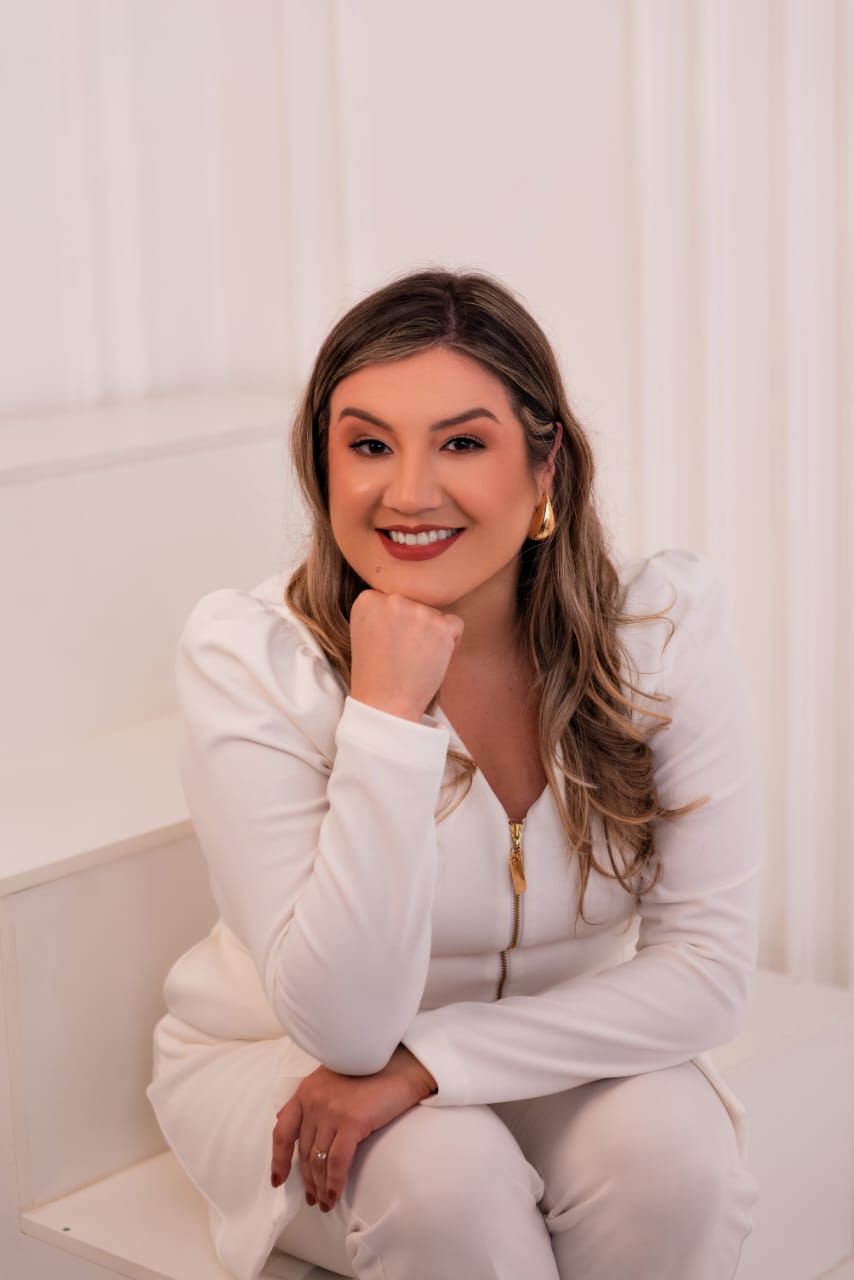
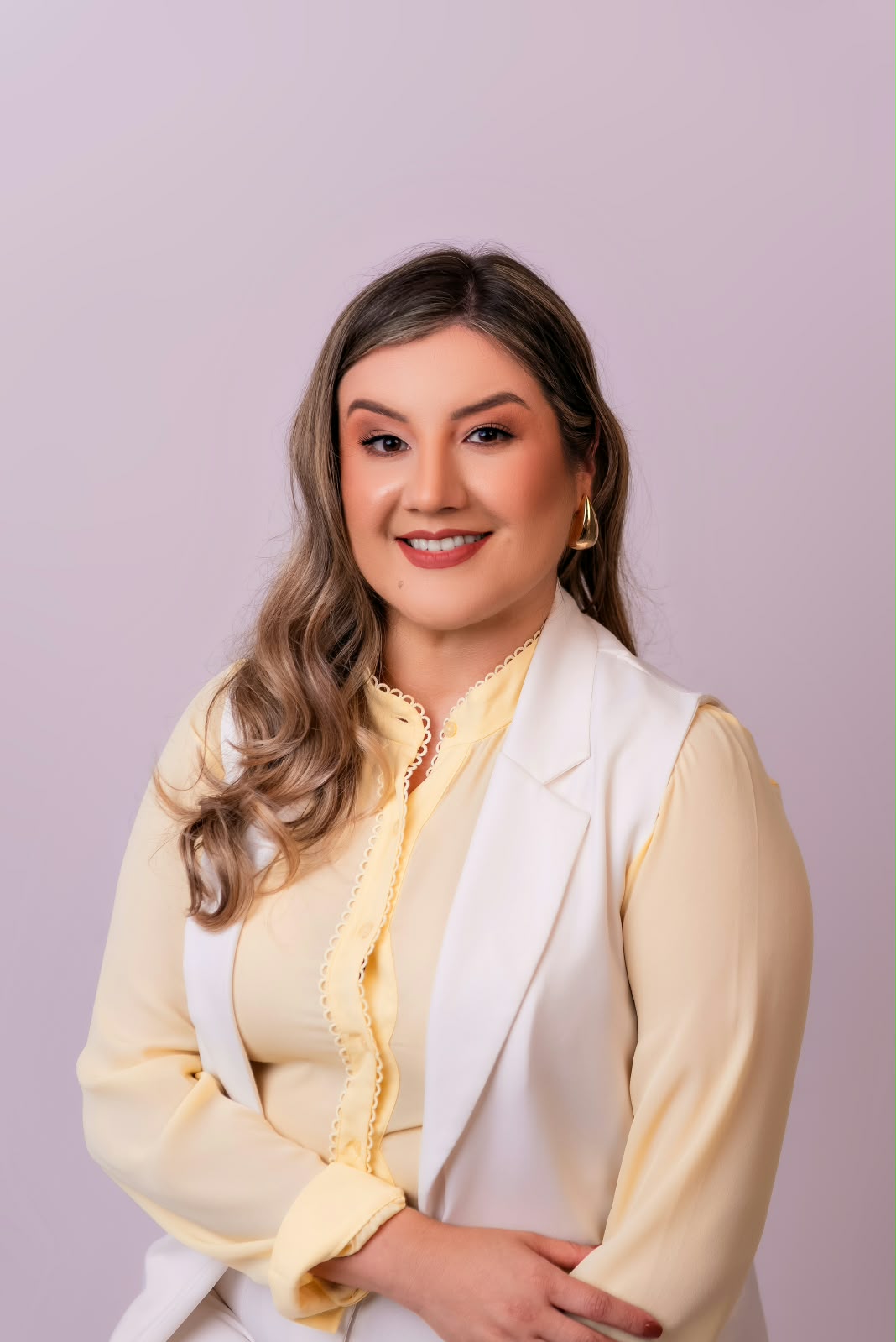
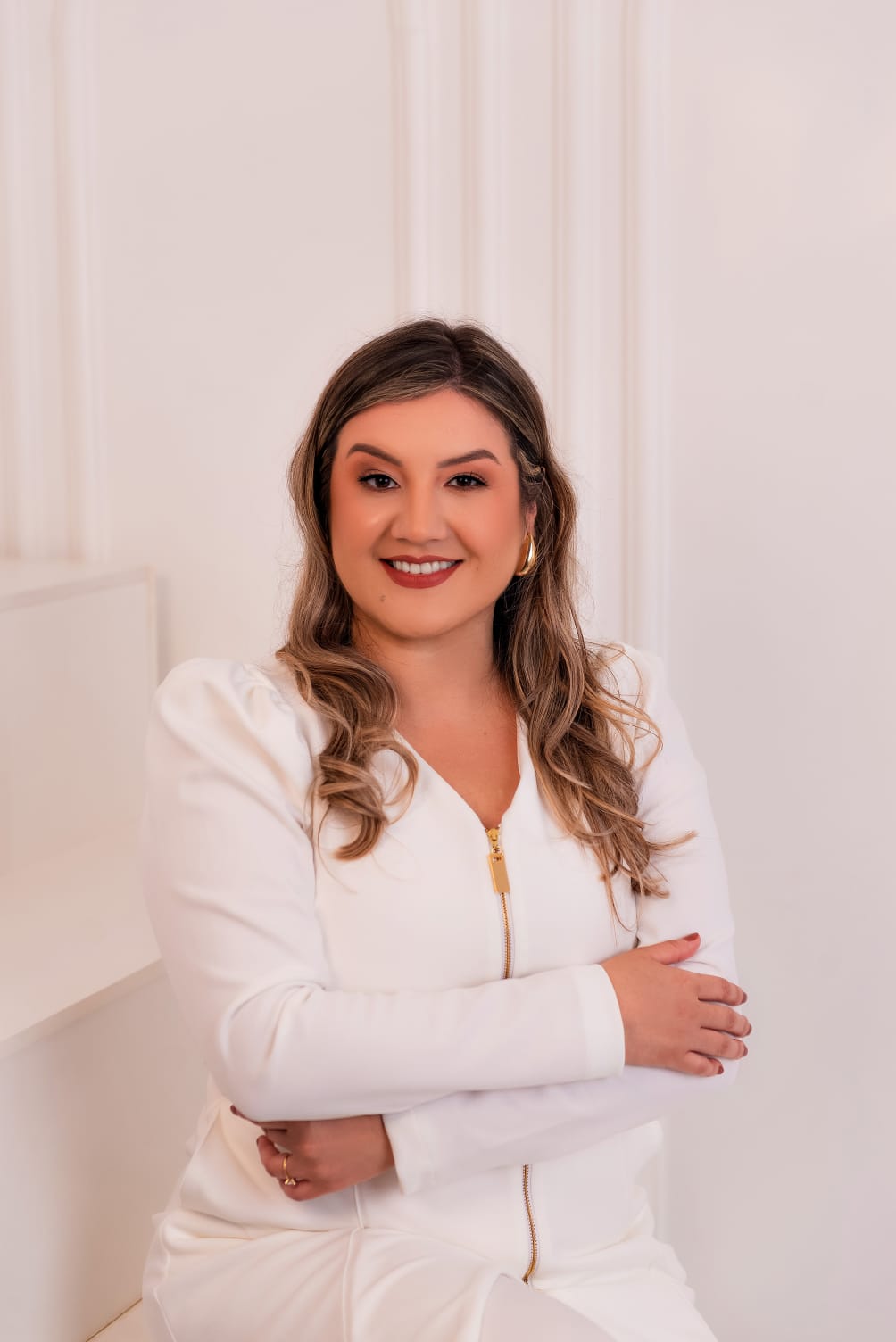
About the doctor
Pediatrician · Pediatric Neurologist · Clinical Epileptologist
I am a physician specialized in Pediatrics, Pediatric Neurology, and Clinical Epileptology, dedicated to the comprehensive diagnosis, treatment, and follow-up of children and adolescents with neurological disorders.
My practice places particular emphasis on epilepsy and electroencephalography (EEG), including the interpretation of studies in newborns, children, and adolescents, as well as the management of complex and difficult-to-control epilepsies.
My training in clinical epileptology and EEG is complemented by ongoing clinical and academic work, with the goal of providing evidence-based, up-to-date care tailored to the needs of every patient and family.
My purpose is to combine knowledge, diagnostic precision, and close support to care for every child’s neurological development.
Universidad del Pacífico (UP)
Universidad Nacional del Este (UNE)
Universidad Católica de Asunción (UCA)
Universidade Federal de São Paulo (UNIFESP)
Paraguayan Society of Pediatric Neurology (SOPANI)
Areas of care
Assessment, diagnosis, treatment, and follow-up for different neurological conditions from the newborn period through adolescence.
Assessment of epileptic seizures and other paroxysmal events; convulsions are only one possible manifestation.
Specialized interpretation of studies to support a precise neurological assessment.
Comprehensive developmental assessment and therapeutic guidance for every stage.
Assessment of development, communication, behavior, and social interaction.
Assessment of attention, impulsivity, learning, and school-performance difficulties.
Assessment of recurrent headaches, migraine, sleep disturbances, and warning signs.
Clinical assessment of motor episodes, unresponsiveness, and other concerning events.
Specialized care during the first months of life and for early neurological signs.
Individualized support for development and neurological progress.
Childhood epilepsy
Epileptic seizures can present in different ways during childhood. A specialized assessment helps identify their characteristics, study possible causes, and establish the most appropriate treatment.
An epileptic seizure is a brief event caused by abnormal electrical activity in the brain. A convulsion is a visible motor manifestation that may occur in some seizures, but not all. Epilepsy is a condition with an enduring predisposition to epileptic seizures; diagnosis is made by considering the clinical context, recurrence risk, and any necessary tests.
Ask about epilepsyDetailed analysis of episodes and clinical history.
Clinical interpretation and complementary tests when needed.
Monitoring of progress, treatment response, and patient development.
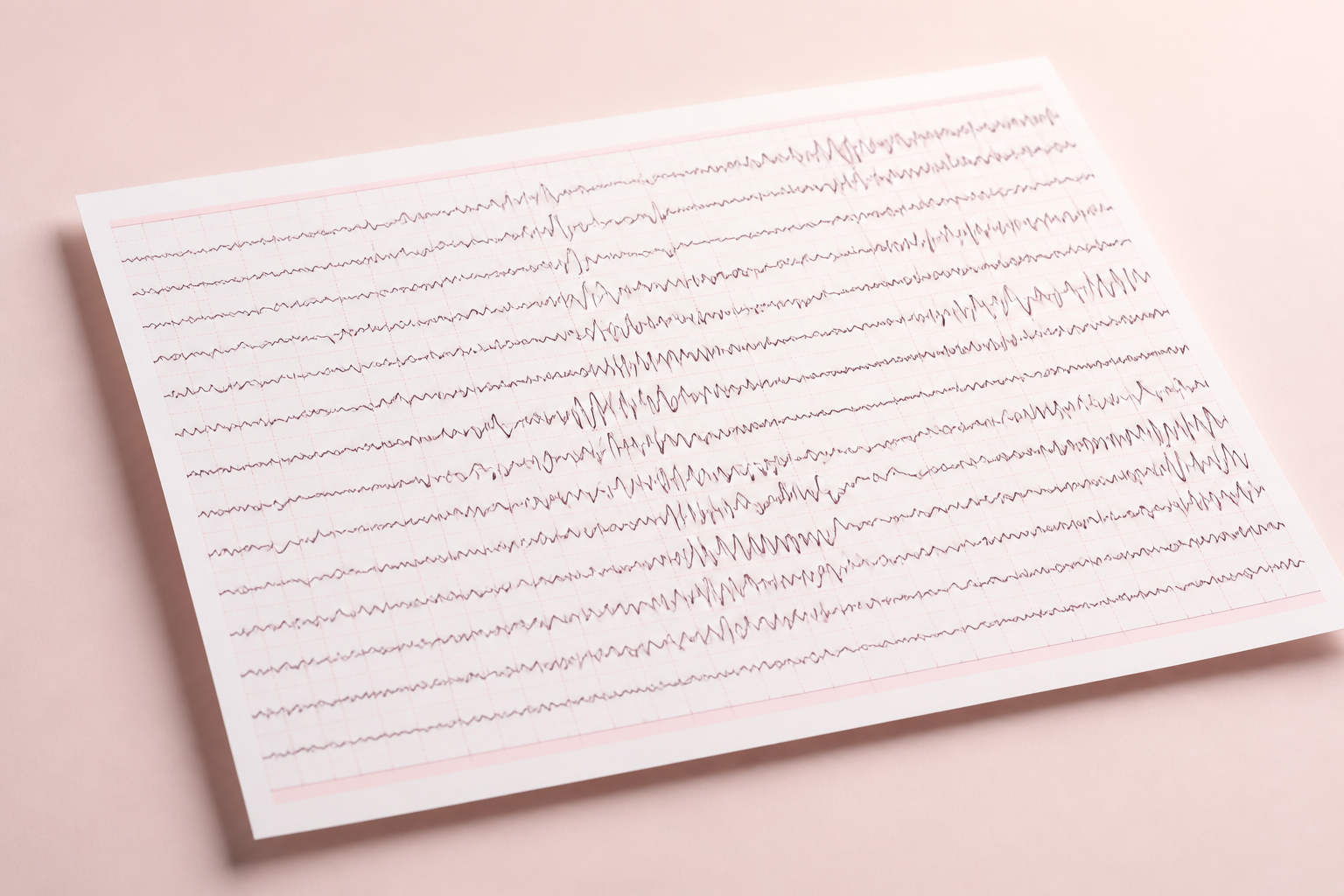
Specialized test
A key test for assessing electrical brain activity.
An electroencephalogram records the brain’s electrical activity and is an important tool in assessing epilepsy, suspected seizures, and other neurological conditions.
Reasons for consultation
Some signs may benefit from a specialized assessment, especially when they persist, recur, or affect daily life.
Convulsions, episodes of unresponsiveness, or other paroxysmal events
Neurological signs in newborns and infants
Developmental delays
Attention and learning difficulties
Language delay or changes
Involuntary movements
Frequent headaches
Sleep disturbances
Loss of previously acquired skills
Noticeable changes in behavior
Possible autism spectrum disorder
Changes in gait, coordination, or balance
Every case is different. A medical assessment helps determine whether symptoms require additional tests or specialized follow-up.
Important guidance
Seek immediate medical attention if a child or adolescent experiences any of the following:
In an emergency, go to the nearest emergency department or call your local emergency number. Do not wait for a response through WhatsApp, email, or this website.
This information is for general guidance and does not replace an emergency medical assessment.
First appointment
A meeting designed to understand the reason for the visit, assess the newborn, child, or adolescent, and guide their family clearly.
We discuss the reason for the visit, medical history, and development, adapting the conversation to each stage.
A neurological and developmental assessment appropriate to the child’s age is carried out.
Findings are explained and, when appropriate, complementary tests are requested.
A personalized treatment and follow-up plan is established.
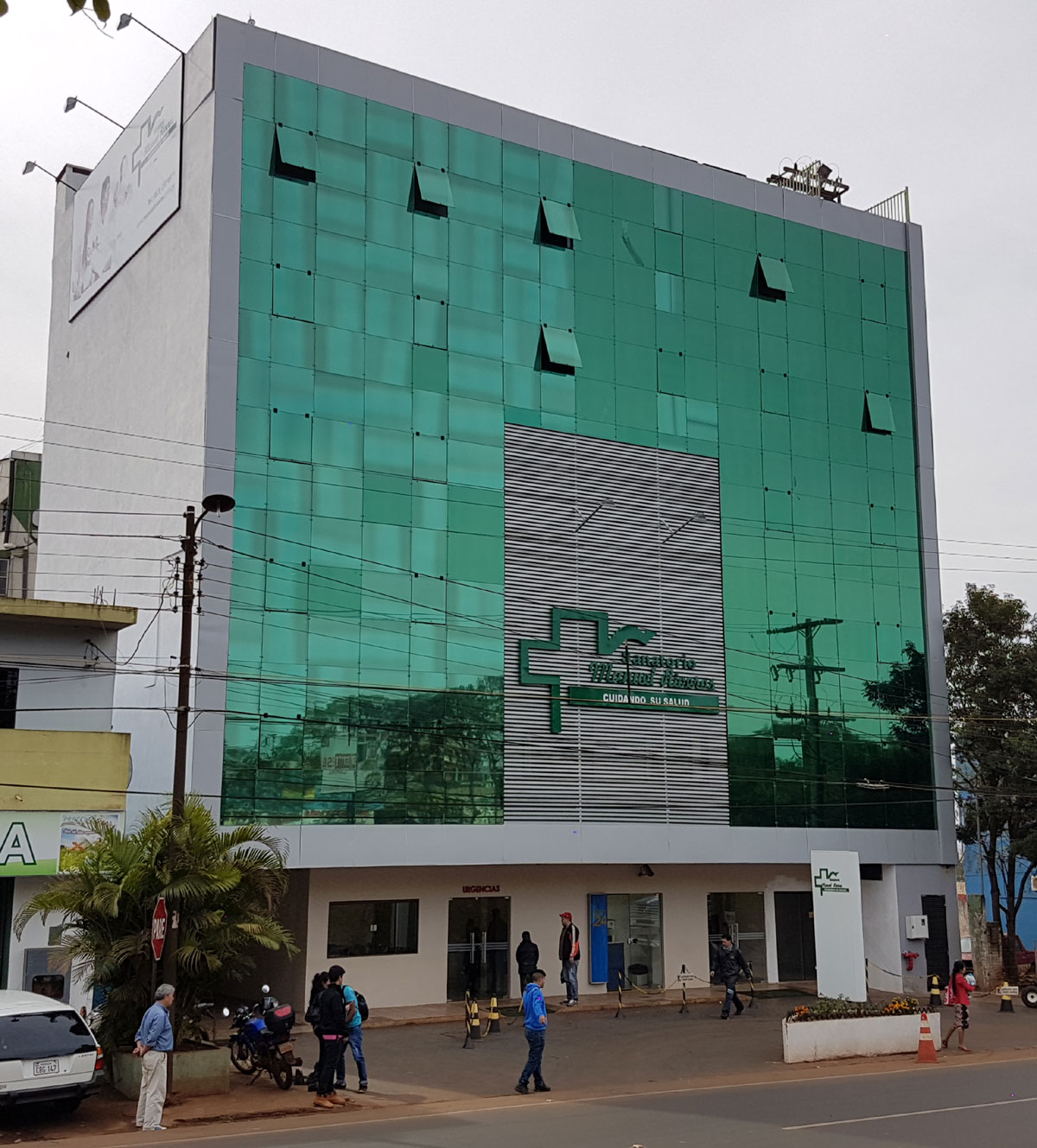
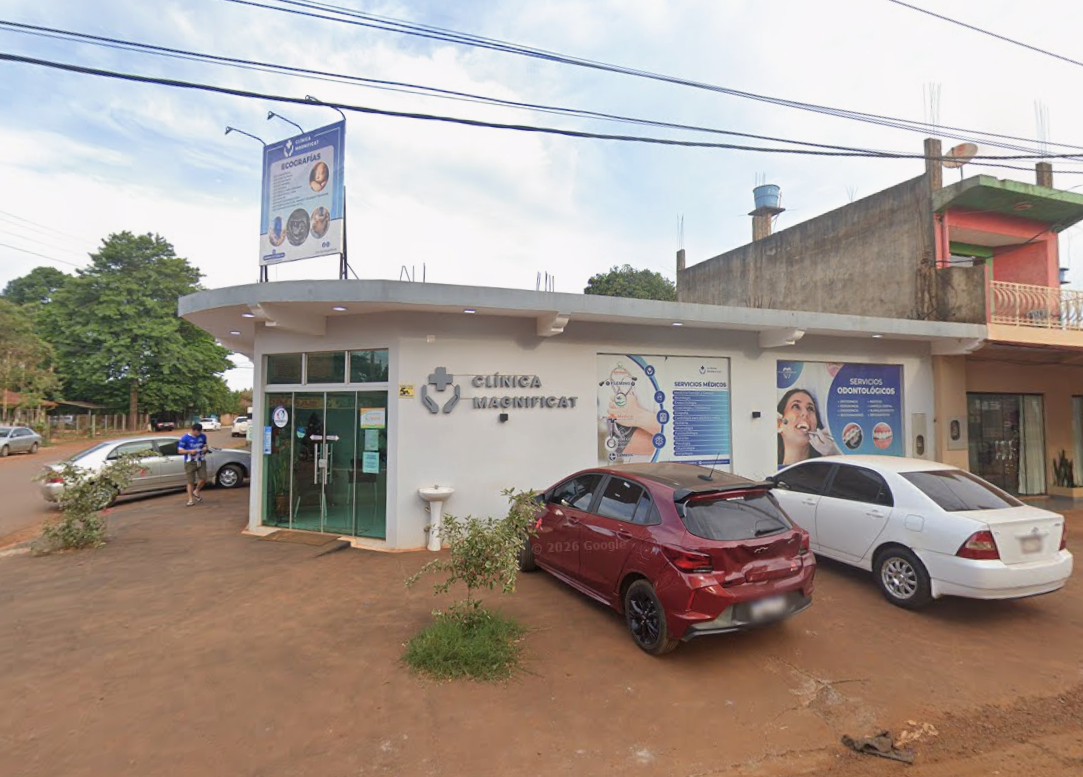
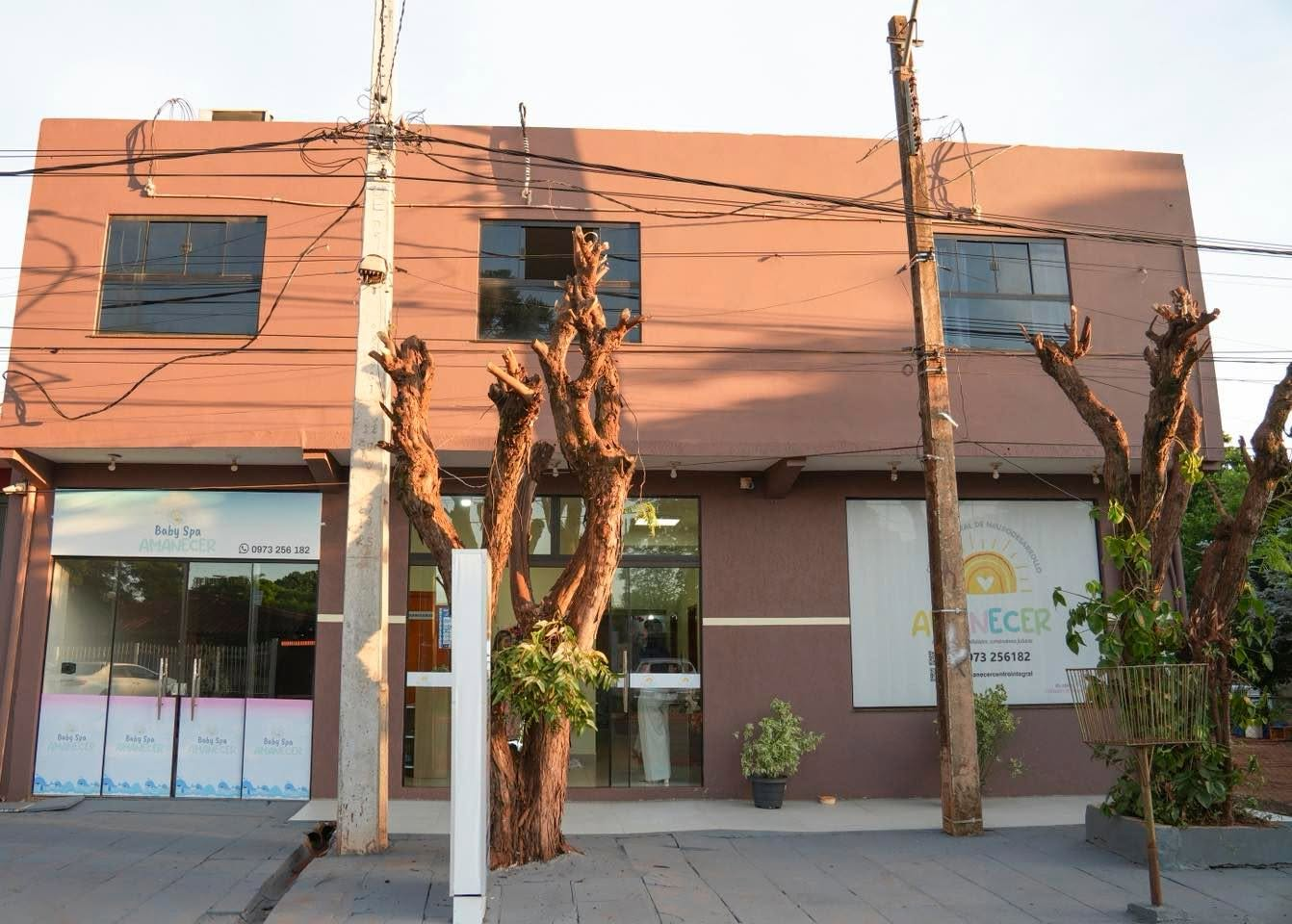
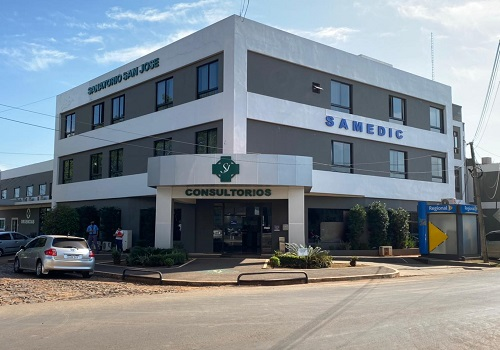
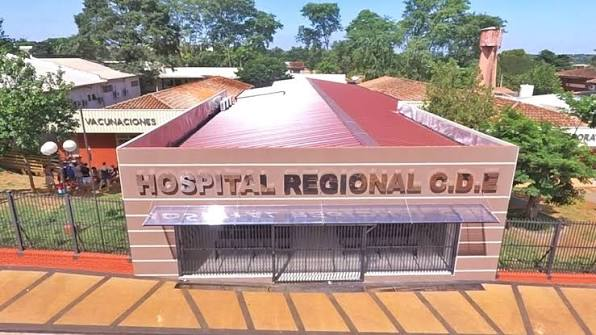
Care locations
Choose the most convenient center for your family and request an appointment via WhatsApp.


Clear information
General answers to help you prepare for the appointment.
This information is for guidance only and cannot provide diagnoses online.
Pediatric neurology supports newborns, children, and adolescents. The exact age range can be confirmed when requesting an appointment, depending on the reason for the visit.
Convulsions, episodes of unresponsiveness, or other paroxysmal events, developmental delays, attention, learning, or language difficulties, involuntary movements, frequent headaches, and significant changes in skills or behavior are some possible reasons. Each case should be assessed individually.
It is helpful to bring previous tests, medical reports, a list of medications, and, when applicable, school or therapy reports. Writing down when symptoms began and how they have progressed can also help.
Not necessarily. The indication depends on the clinical history and the type of episodes. In many cases, it is best to assess the child first to determine which test is useful.
Length may vary according to age, reason for consultation, and case complexity. When booking, you can ask about the expected assessment time.
Diagnosis is clinical and brings together developmental history, observation, functioning in different settings, and, when relevant, information from family and school. It is not determined by a single test.
The assessment considers development, communication, social interaction, behavior, and the child’s history. Depending on the case, an interdisciplinary approach may be needed.
No. A convulsion is a manifestation with involuntary movements; it may occur in some epileptic seizures, but many seizures do not cause convulsions. Epilepsy is a condition with an enduring predisposition to epileptic seizures. Some events can resemble seizures or convulsions without being epilepsy, which is why specialized assessment is important.
It may be requested when epileptic seizures or episodes of unresponsiveness are suspected, or in other selected situations. Its indication and interpretation should be integrated with the clinical assessment.
You can contact the doctor via WhatsApp or email. Share the patient’s name and age, the general reason for the visit, and your availability; you will receive guidance to schedule it.
We are here to guide you
If you have questions about your child’s development, learning, behavior, or a neurological symptom, you can get in touch to request an appointment.